Description
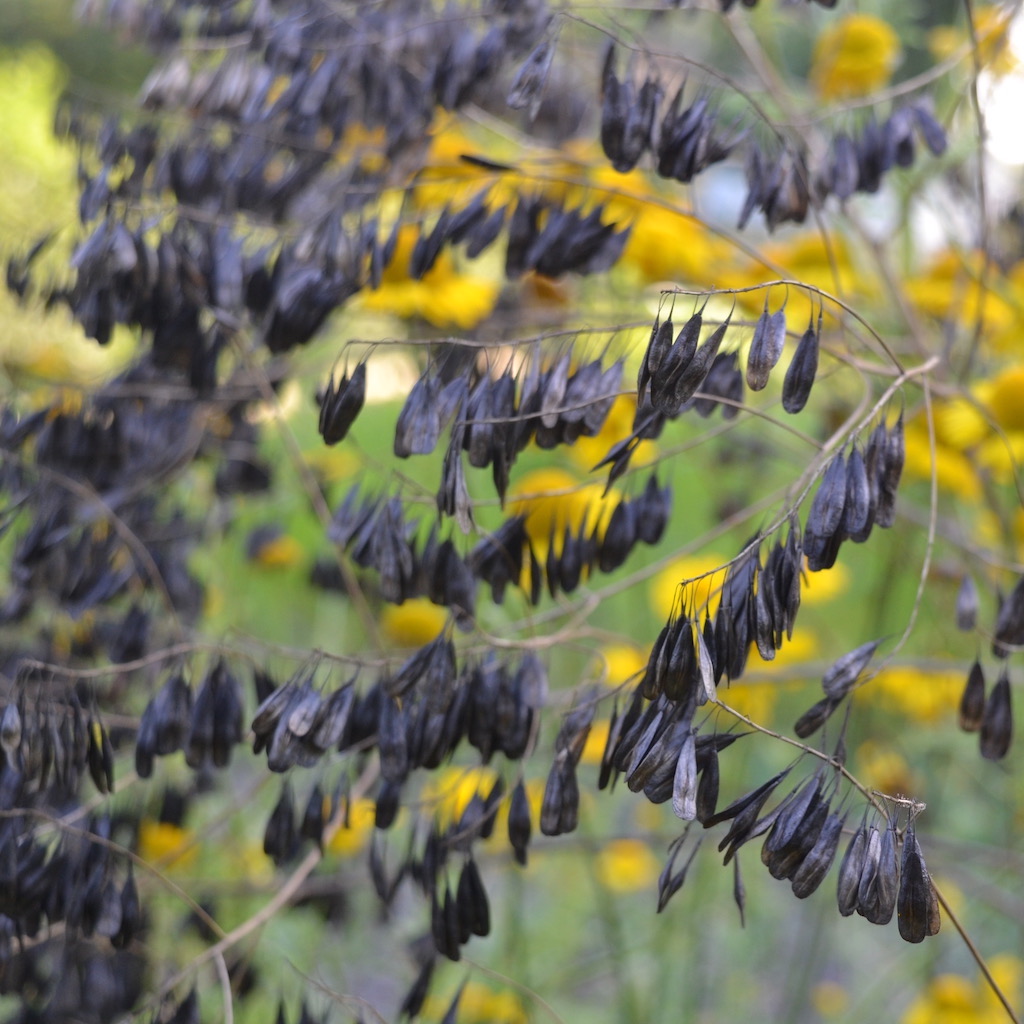
Seeds of woad (Isatis tinctoria). The bag contains 3 g of seeds. According to a quick count, that was 100-150 seeds, but the actual number may vary depending on seed size.
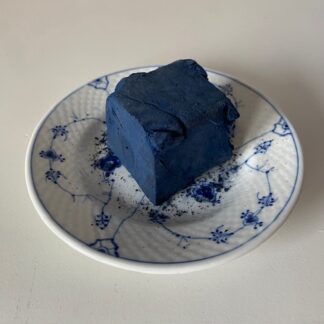
Woad has been used to dye blue since antiquity, and was used in Europe, Egypt and Central Asia (where the plant originates). Julius Cesar mentions woad in his famous “Gallic War” after having crossed the English Channel and meeting the terrifying woad-tattooed Celts.
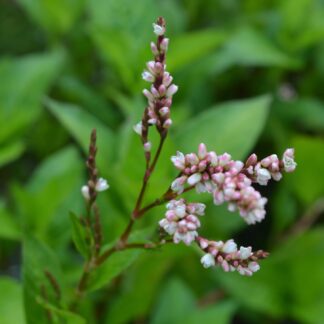
The woad plant tolerates frost, and can be sown outside in fall or in spring as soon as the frost is out of the soil. It can be sown as late as May, and the plants will germinate and grow quickly when sowing late.
Woad is a biennial. The first year leaves are used for dyeing. It is often possible to harvest twice in a growing season, e.g. in July/August and again in September/October, but in years with unfavorable weather, there may only be one harvest. Leave the plants to flower in the second year only if you wish to harvest seeds.
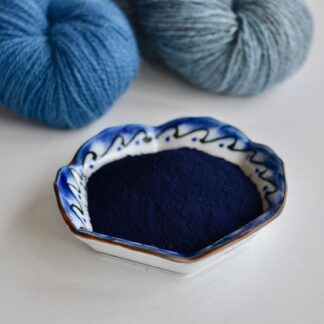
There are many different ways to dye with woad. The old way is to make woad balls and a fermented urine vat. It is also possible to dye with the fresh leaves in a sodium dithionite vat.
We divide our seeds in 3 categories based on how long they will keep: short, medium and long. Regardless of category, all seeds should be stored in a dry and cool place to stay viable. Short shelf life means that the seeds must be sown the year after they are harvested. Seeds with medium shelf life can be sown after 2 or 3 years, but will have a higher germination rate the first year after harvest. Seeds with a long shelf life can germinate even after several years (and in extreme cases after hundreds of years).
Seeds harvested in 2024. Medium shelf life.
We only ship seeds to customers in EU countries.